
Supporting Island Shops in Quiet Months: A Local Guide
Practical ways to keep island high streets trading through the quiet months, from small weekly habits to...

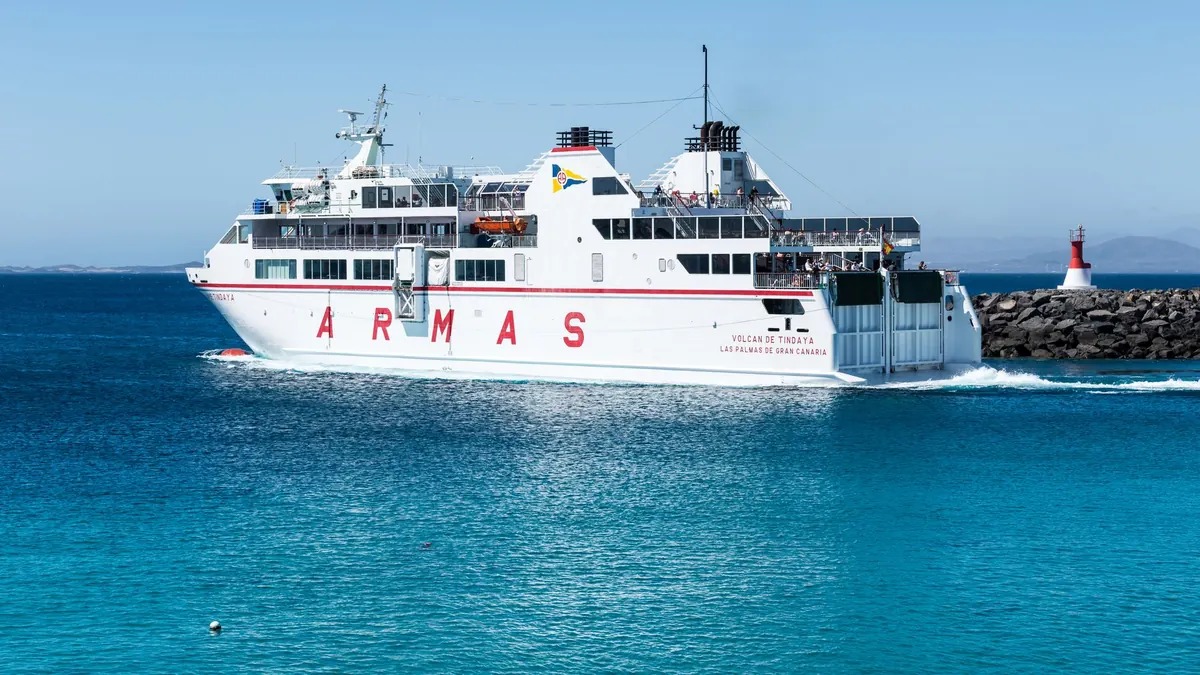
A car-free island weekend works best when you treat the crossing as part of the trip rather than an obstacle before it. Foot passengers often board early, walk off into a harbour village and are on a bus or a coast path while the vehicle deck is still queuing. The order of operations matters: choose the island by its ferry timetable, book the crossing properly, pack for walking, then let buses and waymarked paths do the heavy lifting. The reward is a break that feels slower and more sociable — you notice the weather, the harbour, the names on the bus stops — without spending the weekend in a car park queue.
Start with the sailing, not the scenery. Crossing length matters less than frequency and where the ferry lands. A twenty-minute hop with six sailings a day gives you far more freedom than a three-hour crossing with one morning departure and one evening return.
Ask four questions before you look at cottages:
Short, frequent crossings — the Solent routes to the Isle of Wight, the Clyde hop to Cumbrae or the short Kintyre crossing to Gigha — suit a two-night break. Longer routes to the Northern Isles or the Isles of Scilly reward a longer stay, because a weekend can vanish into the sailing schedule. Bridged islands such as Skye and Anglesey are easy car-free, but even a causeway such as Lindisfarne's needs tide times checked before you walk.
Also think about the shape of the island. A compact island with one main town and a circular bus route is simpler than a long, spread-out island where the ferry lands at one end and the walks you want are at the other. If you have only two nights, choose somewhere you can reach on foot from the pier or after one short bus ride. That way the first and last days are not swallowed by logistics.
Foot passenger fares are usually modest and booked separately from vehicle space, so you are not competing with cars for the summer sailings. Even so, book ahead for any weekend between May and September, and always for a sailing you cannot miss.
Check three things on the ticket. First, whether it is fixed or an open return — flexibility is worth paying for on an island where wind can stop sailings. Second, the check-in time; foot passengers often need to be at the terminal a short while before departure. Third, the terminal itself. Ports with no rail link can be reached by bus or taxi, so build that connection into your plan and check the last service back. If you are arriving by train, ask for a ferry-plus-rail through ticket where available; it can simplify the journey and may protect you if a delayed train makes you miss the boat.
Keep your booking confirmation offline, not just in an email app that needs signal. Take a screenshot of the timetable and the return sailing. If the operator has an app, download it before you leave. And if you are prone to seasickness, choose a shorter crossing or sit outside on the deck; the fresh air is often better than a stuffy lounge.
Island weather changes quickly, and a car-free weekend means you carry your kit between ferry, bus and footpath. Aim for one small wheeled bag or backpack plus a daypack. A large suitcase is awkward on steep gangways, narrow pavements and crowded buses, and many island buses have limited luggage space.
Your daypack should include:
Pack a small first-aid kit and any medication. Phone signal can disappear in glens, on cliffs and between villages. Tell someone your route and expected return time, especially if you are walking alone.
Island bus networks are often radial: routes fan out from the main town or meet the ferry, then thin out into a few daily services. Pick one base on a bus corridor and explore that side of the island properly, rather than trying to tick off every corner. A day ticket is usually good value, and drivers are often used to foot passengers with rucksacks.
Check the details that catch visitors out. Sunday services may be nonexistent or reduced. Evening buses can stop early, so a pub dinner needs a plan for walking back or a saved taxi number. Seasonal routes may run only in summer, and some stops are request stops, meaning you need to signal clearly to the driver. If a bus is timed to meet the ferry, it may wait for a delayed sailing, but do not assume it will; ask the driver or check the operator's updates.
Examples help. On the Isle of Wight, buses from Ryde and Newport connect with the fast cat and hovercraft, and the Island Line train adds another car-free option. On Arran, the bus meets many Brodick sailings and links to the coastal villages. On Mull, the Craignure ferry connects with buses towards Tobermory and the Iona road. On Cumbrae, the short Largs crossing lands you almost at the bus and cycle hire. These connections are the real infrastructure of a car-free weekend.
Waymarked paths turn an island into a linear adventure. The Isle of Wight Coastal Path, the Arran Coastal Way, the Anglesey Coastal Path and the smaller circular walks on Cumbrae, Gigha and
Photo: Wolfgang Weiser / Pexels
Practical ways to keep island high streets trading through the quiet months, from small weekly habits to...
A practical winter island packing guide covering waterproofs, warm layers, torches, offline maps and...
From off-island and the boat to grockle and island time, here are the twenty terms you'll hear most on an...